
Article Info
Article Info
Description
Sedation Safety: Best Practices for Patients Over 65
Age is more than just a number—it's a story about a patient's health that shapes how we approach personalized care in sedation dentistry.
By Dr. Michael Silverman
When evaluating older patients for dental sedation, age is an important factor, but not the only consideration. Patients 65 and older often have chronic conditions like hypertension, diabetes, heart disease, vascular disorders, and hyperlipidemia, which require extra attention.
Additionally, reduced upper airway reflexes can increase the risk of respiratory complications during procedures. However, age alone doesn’t rule out sedation as an option. We'll explore essential data and best practices for safely sedating older patients.
An Aging Population
As the U.S. population ages, dental practices are treating more patients over 65. By 2030, nearly 20% of the population will be 65 or older, double the number from 2000 (Federal Interagency Forum on Aging-Related Statistics, 2023).
Interestingly, only around 5% of these adults have no teeth, and more are keeping their natural teeth compared to previous generations. However, this doesn’t mean they’re free of dental issues—around 18% have untreated cavities, and a staggering 68% suffer from gum disease (NHANES, 1999-2004; 2009-2012). This data highlights the need for dentists, particularly sedation dentists, to consider the unique challenges of treating older patients (ADA, 2023).
Health History is Essential
Patient selection is critical to a successful sedation workup. During the pre-sedation evaluation, two key questions guide the process: Is the patient a suitable candidate for sedation? And if they are, what adjustments need to be made to the standard sedation protocol? Answering these questions ensures safety and comfort, especially for older patients or those with complex medical histories. The patient's health history should alert you to any red flags, which include:
Take baseline vitals, including:
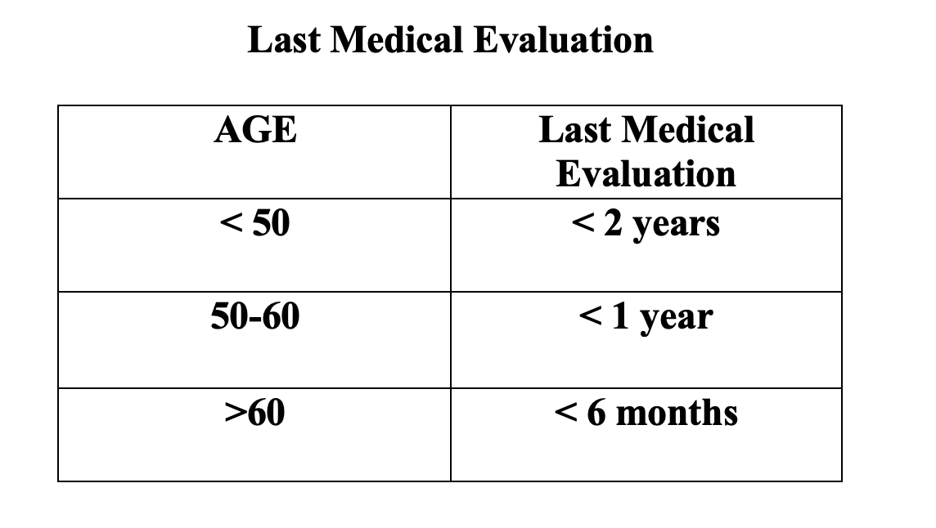
Because the dentist monitors the EKG, they also interpret it. For patients over 60, it's crucial to ensure they've had a recent physical evaluation by their primary care physician, including blood chemistry results, within six months of their sedation appointment. This method helps minimize risks and ensure patient safety.
Sedation Modifications
Patients > 65 are more likely to have medical conditions and be on multiple medications. Meaning that as people age, their response to medication changes. Regarding sedation, this means lower doses due to:
Aging is associated with physiological changes that affect drug metabolism, leading to an increased sensitivity to anesthetics. These changes necessitate adjustments in medication dosing and underscore the importance of meticulous monitoring during sedation.
Furthermore, the sedation team should:
While it's critical to recognize that not all patients over 65 are automatically precluded from undergoing sedation dentistry, the presence of multiple co-morbidities within this age group can introduce complexities in managing dental treatments. For older adults, it's advisable to consider reducing the dosage of sedation medications by approximately half. This conservative approach aligns with the overarching objective of prioritizing patient safety.
When it comes to dental sedation for patients > 65, there are several key factors to consider, including:
All these factors make older adults' sedation safer and more comfortable.
Personalize Your Approach
A cohort study published in the British Dental Journal (1) sheds light on the unique challenges and considerations of sedating older patients, emphasizing the need for tailored approaches to ensure their safety and well-being. Some of the most important insights found in this research include:
Overall, the study underscores the necessity of a personalized approach to sedation in older adults to enhance safety and effectiveness.
In Conclusion
Dentists are committed to prioritizing patient safety and ensuring that all patients receive safe and effective dental care regardless of age. Effective dental sedation begins with a comprehensive medical evaluation and a meticulous dental team review of the patient's health history. It also entails a tailored approach to treating an aging population.
With the number of people over 65 on the rise, it's more important than ever to customize sedation plans. Dentists must consider chronic conditions, medication interactions, and age-related changes to manage risks effectively. Age alone doesn’t rule out sedation. However, it does require some tweaking to fit each patient's unique needs. Doing thorough evaluations, monitoring carefully, and tailoring treatment can provide even your most seasoned (and suitable) patients with effective and safe dental sedation.
References:
Additional Information
Author Bio
Michael Silverman, DMD
In addition to 4 decades of experience as a general dentist, Dr. Michael D. Silverman is a globally recognized lecturer, education, and patients’ rights advocate. His extensive dental background and entrepreneurial spirit led to the development of DOCS Education and RAMP – Results-Driven Advertising & Marketing Professionals. As the President of DOCS and RAMP, Dr. Silverman has taught over 30,000 dental professionals how to implement sedation and how to acquire new patients. In November 2015, Dr. Silverman was inducted as a Fellow of the International College of Dentistry, and in 2020 as a Fellow of the American College of Dentistry in recognition of his exemplary professional accomplishments and devotion to improving the practice of dentistry.
Disclosures
Commercial Disclosure
This free Dental Learning presentation is made possible through the continued support of DOCS Education. Michael Silverman, DMD is a consultant and/or speaker for the following companies and/or organizations: Dental Learning, DOCS Education. Michael Silverman, DMD may receive an honorarium as compensation from the CE Supporter of this presentation and/or from Dental Learning for the time involved in preparing and delivering this online presentation.
Dental Learning is an approved AGD PACE Provider and California State Dental Board Provider of dental continuing education. Dental Learning strives to deliver balanced, objective and clinically relevant information grounded on scientific research. Lecturers who are invited to deliver Dental Learning CE webinars are advised to substantiate their claims with research-supported data and to disclose all commitments to, or relationships with, any commercial entity within the dental industry. In many cases, lecturers are sponsored by a dental manufacturing company, which provides them with support in the form of honorarium and/or dental products and equipment in order to help with clinical presentations. Prior to each live CE webinar, lecturers are made aware of the importance of delivering their presentations without commercial bias, and where appropriate, to mention a variety of different product choices that may be relevant to the subject matter of the lecture, for the educational benefit of the participant.
Disclaimer
Dental Learning LLC sites offer content that include opinions, techniques, recommendations, etc. from a variety of writers and speakers that are not necessarily endorsed by Dental Learning LLC, its associates and sponsored Dental Affiliates. Viewers are responsible for verifying the validity, accuracy and relevance of all content before implementing any techniques, products or recommendations into their clinical setting. Viewers understand that Dental Learning LLC, its associates, writers, speakers and sponsored Dental Learning Affiliates are not in any way responsible or liable for any adverse events that may occur (i.e., in a clinical setting or anywhere) based on any information disseminated from Dental Learning LLC sites, including all Dental Learning sites.
The copyrights and other rights to the slides and video contained in a webinar posted on this website are owned by the speaker, Dental Learning LLC, and/or the sponsor company and/or its subsidiaries worldwide. Viewers are only authorized to view the content of the webinar (live and archive) at this Website and are not permitted to screen capture, record and/or download any content displayed in this webinar. You may not make any part of this Website available as part of another web site whether by hyperlink framing on the Internet or otherwise.
By signing up for this webinar/event or podcast, I agree to receive electronic messages, which may include educational events, promotions, product information and service offers, from Dental Learning or any of its course supporters. I understand that I may unsubscribe at any time using the opt-out link provided in every message.
Dental Learning is an approved AGD PACE and California State Dental Board Provider of dental continuing education.
Questions regarding our Conditions of Usage, Privacy Policy, or other policy related material can be directed to our support staff by clicking on the "Support" link or you can email us at: support@dentallearning.net.