Article Info
Article Info
Description
Top 10 Things That Could Threaten Your Dental License
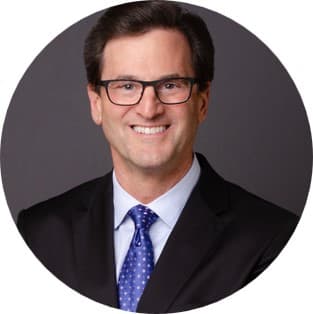
John W. Dovgan, D.D.S, Chief Investigator for the Arizona State Board of Dental Examiners and Dental Expert Witness, examines real-life examples of the top reasons for losing a dental license and provides strategies for avoiding these pitfalls.
By Dr. Michael Silverman
In this review of Dr. Dovgan's CE courses, he delves into real-life examples, highlighting the most common reasons dentists lose their licenses. Through these examples, Dr. Dovgan identifies critical pitfalls in professional practice, such as failure to maintain proper clinical documentation or engaging in unethical behavior. By focusing on prevention, Dr. Dovgan equips practitioners with the knowledge and tools to safeguard their licenses, uphold professional standards, and ensure the highest level of patient care.
In Arizona, it's mandated that you send a patient's complete file within 15 business days after a written request is made. HIPAA states that you have 30 days from the time a written request is made. You may charge a reasonable duplication fee; however, failure to comply with the request can cause a hearing for immediate suspension of your license until the records are given to the patient.
Once a subpoena is received, you are mandated to send all of the patient's records to your respective Dental Board. If you refuse, the Board has the power to suspend your license until you do so. Furthermore, they can also revoke or refuse to renew your license. The Board can still adjudicate the case, and the patient's evidence will be the only evidence the Board has to rely on.
This can occur in a number of ways—everything from fluoride charges that never actually happened to discounting or "waiving" the copay. Do not underestimate that patients won't make a complaint to your State Dental Board. Even insurance companies will file a complaint to your Board for suspicion of fraud that must be investigated.
An example of this is when an underage patient is sedated and becomes the victim of inappropriate touching. This example is both a criminal and a civil violation and warrants an investigation by local Dental Boards. Another ethical violation regards safeguarding controlled substances. Remember, you are responsible for your staff and must maintain a logbook to account for all in-house dispensed controlled substances.
Anesthesia cases in which the medication is administered in a gross overdose is a good example of this, especially when it leads to seizures and death. Remember, the half-life of each anesthetic is different, and you must consider this when redosing for longer appointments.
Dr. Dovgan's guidelines for common local anesthetics include Lidocaine 1:100,000 (the gold standard) at 2% for 1.8 ml carpules = 20 lbs.
You can lose your license or be suspended for not completing mandated CE requirements on time, this also goes for regular renewals. No continuing education certificates means no renewed license! You might think, "What are the chances of getting audited?" But they're much higher than you think.
DOCS Education offers many pre-approved remediation, risk management, and recordkeeping ethics courses. DOCS members can contact our legal team or visit the dental sedation regulations page here for specifics for their state.
Not all death cases result in disciplinary action or the loss of a license. However, anesthesia-related deaths are among the most common causes of fatal incidents in dentistry. Even minimal sedation carries risks, though oral conscious sedation is generally the least likely to result in such outcomes. A critical difference lies in the availability of reversal medications, which can mitigate these risks.
Always double-check medication dosages tailored to each patient to ensure patient safety. Utilizing Lexicomp as the gold standard for medication decisions and assessing drug interactions is essential for safe and effective practice.
Ensuring public health is paramount in dental settings. A clear example of the risks involved is a dental operatory that is in disarray, with unsanitary conditions potentially leading to infections or other serious health issues. It's crucial to remember that your State Dental Board plays a key role in upholding the standards of the dental profession to protect the public interest. The public's safety must always be the top priority, which means the sterilization, safety, and cleanliness of dental practices are important and essential. Given the responsibilities involved, maintaining the highest standards in these areas is critical to ensuring the health and welfare of the public.
If you sign a consent agreement for mandated CEs and take CEs that the Board doesn't approve. The chief investigator for your State Board has the power to approve your mandated CEs, so don't ignore this step.
You are mandated to report any arrest or felony to your respective Board within a specified time, generally ten days after your arrest. The most common one is DUI.
In Conclusion
Dr. Dovgan emphasizes that dentists often strive to be right, but it's crucial to approach Dental Boards with humility. Presenting yourself in a professional manner, without being argumentative, is key.
Dr. Michael Silverman of DOCS Education adds an important point to this conversation: Dental Board members are often unpaid or underpaid, dedicating their time to safeguarding the public in their states. Recognizing and respecting this commitment can positively influence your interactions with the Board. Furthermore, demonstrating understanding and respect can lead to a better experience and help achieve reasonable resolutions for your cause.
If you're interested in this class or any of Dr. Dovgan's other informative standard-of-care training, visit here for his collective courses.
Additional Information
Author Bio
Michael Silverman, DMD
In addition to 4 decades of experience as a general dentist, Dr. Michael D. Silverman is a globally recognized lecturer, education, and patients’ rights advocate. His extensive dental background and entrepreneurial spirit led to the development of DOCS Education and RAMP – Results-Driven Advertising & Marketing Professionals. As the President of DOCS and RAMP, Dr. Silverman has taught over 30,000 dental professionals how to implement sedation and how to acquire new patients. In November 2015, Dr. Silverman was inducted as a Fellow of the International College of Dentistry, and in 2020 as a Fellow of the American College of Dentistry in recognition of his exemplary professional accomplishments and devotion to improving the practice of dentistry.
Disclosures
Commercial Disclosure
This free Dental Learning presentation is made possible through the continued support of DOCS Education. Michael Silverman, DMD is a consultant and/or speaker for the following companies and/or organizations: Dental Learning, DOCS Education. Michael Silverman, DMD may receive an honorarium as compensation from the CE Supporter of this presentation and/or from Dental Learning for the time involved in preparing and delivering this online presentation.
Dental Learning is an approved AGD PACE Provider and California State Dental Board Provider of dental continuing education. Dental Learning strives to deliver balanced, objective and clinically relevant information grounded on scientific research. Lecturers who are invited to deliver Dental Learning CE webinars are advised to substantiate their claims with research-supported data and to disclose all commitments to, or relationships with, any commercial entity within the dental industry. In many cases, lecturers are sponsored by a dental manufacturing company, which provides them with support in the form of honorarium and/or dental products and equipment in order to help with clinical presentations. Prior to each live CE webinar, lecturers are made aware of the importance of delivering their presentations without commercial bias, and where appropriate, to mention a variety of different product choices that may be relevant to the subject matter of the lecture, for the educational benefit of the participant.
Disclaimer
Dental Learning LLC sites offer content that include opinions, techniques, recommendations, etc. from a variety of writers and speakers that are not necessarily endorsed by Dental Learning LLC, its associates and sponsored Dental Affiliates. Viewers are responsible for verifying the validity, accuracy and relevance of all content before implementing any techniques, products or recommendations into their clinical setting. Viewers understand that Dental Learning LLC, its associates, writers, speakers and sponsored Dental Learning Affiliates are not in any way responsible or liable for any adverse events that may occur (i.e., in a clinical setting or anywhere) based on any information disseminated from Dental Learning LLC sites, including all Dental Learning sites.
The copyrights and other rights to the slides and video contained in a webinar posted on this website are owned by the speaker, Dental Learning LLC, and/or the sponsor company and/or its subsidiaries worldwide. Viewers are only authorized to view the content of the webinar (live and archive) at this Website and are not permitted to screen capture, record and/or download any content displayed in this webinar. You may not make any part of this Website available as part of another web site whether by hyperlink framing on the Internet or otherwise.
By signing up for this webinar/event or podcast, I agree to receive electronic messages, which may include educational events, promotions, product information and service offers, from Dental Learning or any of its course supporters. I understand that I may unsubscribe at any time using the opt-out link provided in every message.
Dental Learning is an approved AGD PACE and California State Dental Board Provider of dental continuing education.
Questions regarding our Conditions of Usage, Privacy Policy, or other policy related material can be directed to our support staff by clicking on the "Support" link or you can email us at: support@dentallearning.net.